North vs South Tenerife: Which Coast Should You Stay On?
Tenerife is shaped like a triangle with Teide at the centre, and the volcano acts as a genuine weather divide — trade winds hit the north coast and drop most of their moisture there, leaving the south noticeably drier and sunnier for most of the year. That single fact drives almost every other difference between the two coasts.
Head-to-head
| South | North | Book | |
|---|---|---|---|
| Weather | Drier, more consistent sun | Greener, more cloud and rain | |
| Beaches | Imported golden sand, resort beaches | Natural black volcanic sand | |
| Atmosphere | Purpose-built resort towns | Older towns, more local character | |
| Airport distance | 5–20 min from TFS | 45–75 min from TFS | |
| Best for | Beach holidays, nightlife, families | Culture, hiking, Teide access |
The case for the south
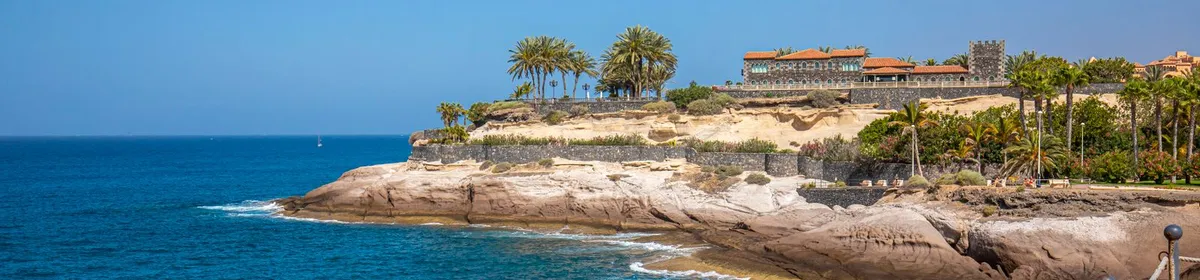
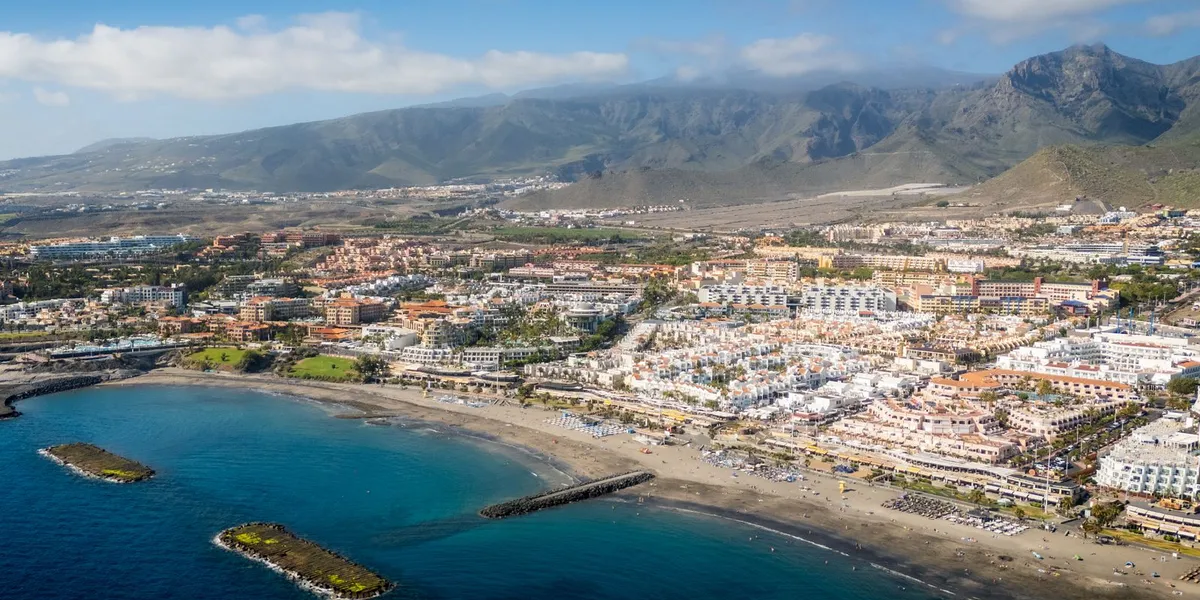
Costa Adeje, Los Cristianos and Playa de las Américas are built around tourism — reliable sun, a huge range of hotels, and short transfers from the main airport. If your priority is beach time and you’re not fussed about “authentic” Canarian towns, the south is the easier choice.
The case for the north
Puerto de la Cruz and the surrounding La Orotava valley feel like a real Spanish/Canarian town rather than a resort strip. It rains more, the beaches are volcanic black sand rather than imported gold, but you’re closer to Teide National Park, the Anaga rural park, and the island’s wine region.
Can you do both?
Yes — Tenerife isn’t large, and a north/south split trip (a few nights each) is a popular way to see the contrast without committing fully to one coast. If you’re renting a car, cross-island driving times are short enough (under an hour on the TF-5) to make a two-base trip realistic. See our where to stay guide for specific town recommendations on each coast.
Stay22
Compare hotels on both coasts
Check prices →